Stock decisions become guesses.
Inventory sits in too many systems, and purchasing happens too late—or too early.
E-commerce operations partner
Galeg Ops audits, rebuilds and runs the operational engine behind growing physical-product, DTC and CPG brands.
GROWTH CREATES OPERATIONAL DEBT.
Inventory sits in too many systems, and purchasing happens too late—or too early.
Suppliers, 3PLs and the team escalate decisions because ownership is unclear.
Slow stock, weak landed-cost data and reactive freight quietly compress margin.
What we do
Focused support from first diagnosis through rebuild and ongoing ownership.
A focused diagnosis of the operational risks, cash leaks and control gaps slowing your brand down.
Discuss this ↗Rebuild the workflows, data and operating controls that have become fragile as the business has grown.
Discuss this ↗Senior operational ownership without the cost or delay of hiring a full-time operations director.
Discuss this ↗Forecasting, purchasing, supplier performance and stock decisions that protect availability and cash.
Discuss this ↗Stronger fulfilment controls, supplier coordination, inbound visibility and exception management.
Discuss this ↗Order-to-cash workflows, retailer coordination, service levels and processes that are ready to scale.
Discuss this ↗Practical implementation and improvement of the systems that connect inventory, purchasing and finance.
Discuss this ↗Landed cost, cash-flow and commercial models that turn operational decisions into financial clarity.
Discuss this ↗Start here
A practical, founder-level diagnosis of the operational engine behind your growth. No generic report. No forced software sale.
In 1–2 weeks, we review how inventory, purchasing, suppliers, fulfilment, systems, cash and accountability work together—then turn the findings into a 90-day action plan.
Request your auditWHAT YOU RECEIVE
A clear baseline across eight operating areas
The issues costing time, cash or customer trust
What to fix now, next and later
A sequenced route from firefighting to control
A direct working session with Richard
Operator experience
Galeg Ops is led by Richard Galeg—an operator with experience across manufacturing, ERP, procurement, supply chain and building a consumer brand.
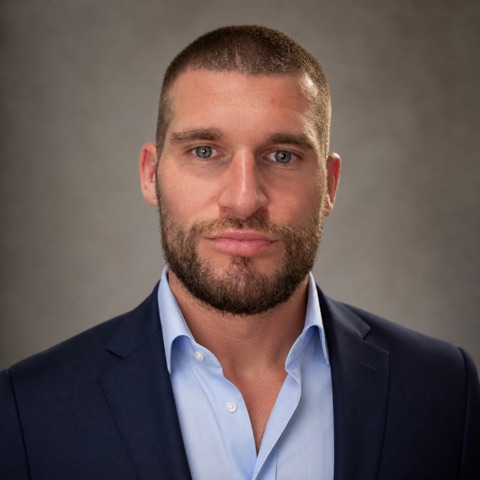
RICHARD GALEG
“I work at the point where stock, suppliers, systems and cash meet.”
Led an ERP implementation across procurement and operations
Built procurement, supply-chain and operational-efficiency controls
Background in UK manufacturing and engineering operations
Runs a physical-product CPG brand—not just an advisory practice
Hands-on wholesale and B2B operating experience
Built cash-flow models and investor pitch-deck financials
Coordinated product compliance and label requirements
Managed creator and UGC programmes for a consumer brand
The useful distinction: this is not agency theatre or borrowed case-study language. It is hands-on operating experience applied to the problems growing brands face now.
How we work
We map the workflows, numbers and risks across the business—not isolated symptoms.
We prioritise stock, service, supplier and cash issues that require immediate attention.
Clear ownership, dashboards, SOPs and decision rules replace reactive management.
Once control exists, we streamline systems, working capital and operational performance.
A STRONG FIT
PROBABLY NOT A FIT
Galeg Ops focuses on the operational engine after demand exists: stock, supply, fulfilment, systems, process and cash.
Straight answers
No. Galeg Ops works across the operating model behind physical-product brands—including marketplaces, wholesale, 3PLs, suppliers and ERP systems. Shopify can be part of the picture, but it is not the boundary.
Usually not. The aim is to give the existing team clearer controls, ownership and operating rhythms. Fractional support can temporarily fill senior gaps while those foundations are put in place.
You can take the roadmap and implement it internally, engage Galeg Ops for a focused Build & Cleanup project, or retain ongoing fractional operations support. There is no forced follow-on.
Only where it solves a real operating problem. The first objective is better control, not a larger software bill. Existing tools are improved before new ones are introduced.
Your next move
Send Richard a short outline of what is happening. You will get a direct reply—not an automated sales sequence.